Complexity vs. Monotony — The "Interestingness" Factor of Our Streets
Next time you're downtown or in your neighborhood, notice your "walking speed." Where do you slow down?
Doug
Founder

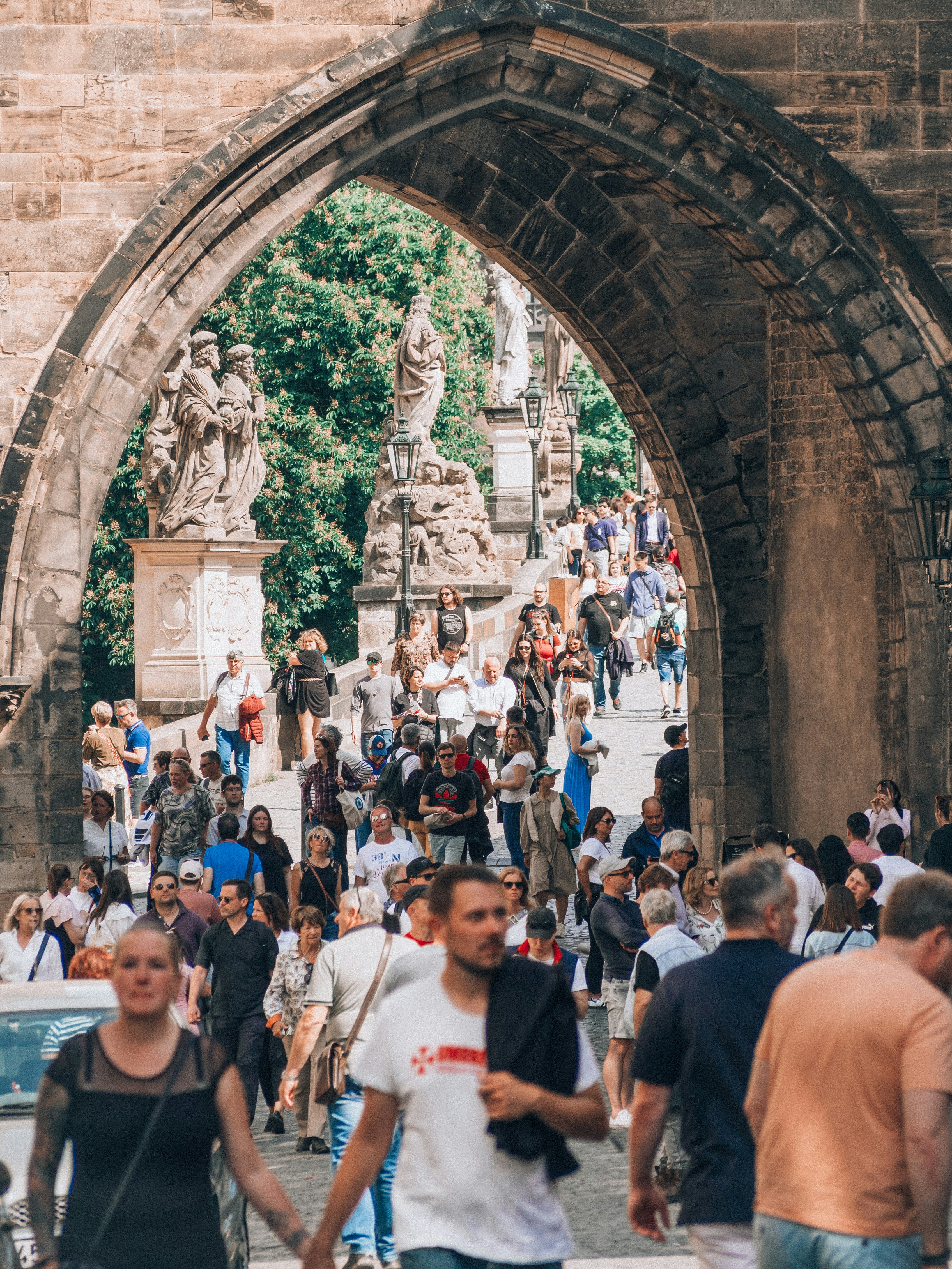
In environmental psychology, the Theory of Optimal Complexity suggests that human beings are neurologically hardwired to seek an "intermediate" level of visual information. Too much chaos (visual noise) leads to anxiety; too little information (monotony) leads to a state of psychological quiescence—a form of "brain drain" that can actually make us feel physically tired and socially detached.
University of Waterloo’s Colin Ellard has demonstrated this through "Psycho-geographic" walking tours. When participants walk past a monotonous, blank, or "big box" storefront, their physiological arousal drops—not into a state of "relaxation," but into a state of boredom-induced stress.
The "A-Type" vs. "E-Type" Façade
Ellard’s research categorizes façades into two primary archetypes:
A-Type (Active/Permeable): Think of a traditional Burlington storefront with small windows, multiple doors, varying textures, and "bric-a-brac" details. These are Sociopetal; they "pull" people in. People walk slower, their eyes move more frequently, and they report feeling happier and more socially connected.
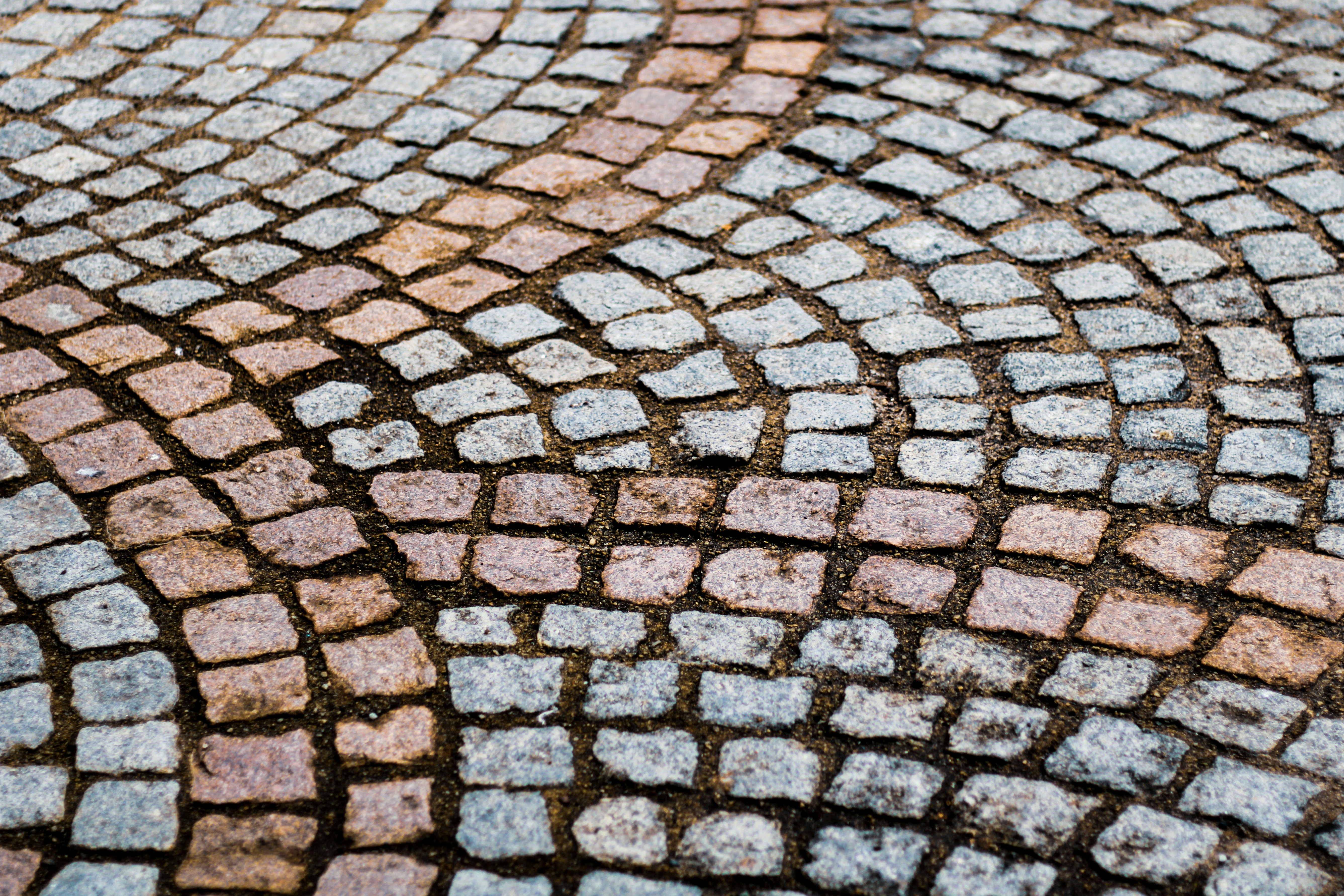
E-Type (Inactive/Monotonous): Think of a generic big-box store or a long stretch of grey concrete. These are Sociofugal; they "push" people away. People actually speed up their walking pace to "escape" the monotony.
The Biological "Bleaching" of the City
When we allow "Big Box" architecture to colonize our central cores, we aren't just losing "local character"—we are bleaching the street of conviviality.
The Hippocampal Response: Our brain's hippocampal region—responsible for memory and spatial navigation—is "nourished" by architectural variety. Monotony effectively "starves" this part of the brain.
The Loneliness Link: When a street is boring, we don't linger. When we don't linger, we don't have those "weak tie" interactions. Therefore, bad architecture is a direct contributor to urban loneliness.
Designing for "High-Resolution" Burlington
At Burlington 365, we advocate for "High-Resolution" urbanism. This means supporting the "Mom-and-Pop" scale buildings that offer visual "nutrients" to every passerby.
We celebrate the "Fine-Grained" streetscape—where every 20 feet offers a new texture, a new smell (a bakery, a florist), and a new visual story.
We recognize that a shop's window display isn't just a sales tool; it is a Civic Gift that improves the mental health of everyone on the sidewalk.
The Human Challenge
Next time you're downtown or in your neighborhood, notice your "walking speed." Where do you slow down? Where do you speed up? Your body is giving you a real-time "Neuroaesthetic Review" of Burlington's architecture. Support the places that make you want to linger.
Comment Section

Disclaimer
Please note that the information in this blog is for general guidance only and may not always be up to date or accurate. We recommend double-checking details directly with local cities, businesses, or official sources before making any plans or acting on the information. We are not a news outlet, and while we do our best to make sure information is accurate, sometimes we make mistakes. It is always best to verify with official sources.