What a City Looks Like Says Everything About What It Thinks of Itself.
Beautiful, walkable, human-scale neighbourhoods attract exactly the kind of residents, businesses, and talent that Burlington wants.
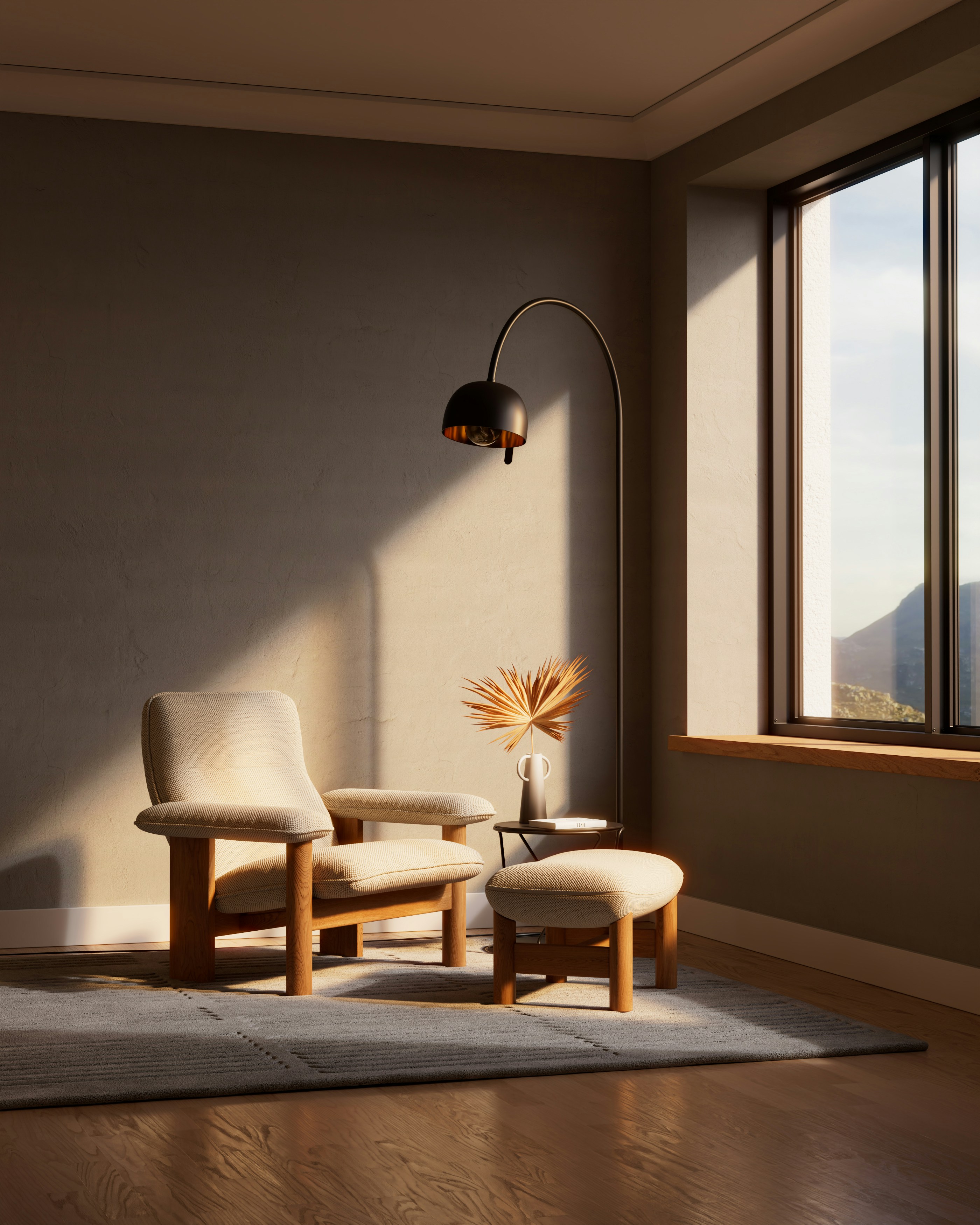
Walk through almost any newer development in the Greater Toronto Area and you'll feel something — even if you can't name it immediately. A kind of flatness. Functionality without soul. Buildings that solve the problem of housing without asking a single question about beauty.
Now walk through downtown Burlington.
It's not perfect. There are gaps, missed opportunities, a few blocks that feel like they haven't decided what they want to be yet. But there's something there — a human scale to the streets, a relationship with the waterfront, pockets of character that make you slow down instead of speed up. The kind of place where the architecture doesn't fight you.
I think about this a lot. Not just as someone who lives here, but as someone who thinks about how cities communicate — because a city's aesthetic is a form of communication. It tells you what the people who built it valued. It tells newcomers whether they're welcome or just tolerated. It tells local businesses whether this is a place worth investing in, or just a backdrop.
There's a concept in environmental psychology called biophilia — the human tendency to seek connection with nature and natural forms. Well-designed cities tap into this instinctively. They use materials with texture. They vary rooflines. They plant trees that actually grow large enough to provide shade. They create corners worth pausing at. And what's remarkable is that none of this is accidental. It's a choice. Every city is making it, consciously or not.
Burlington has a real decision in front of it right now. Growth is coming regardless — the question is what kind. We can follow the path of least resistance, approve whatever densifies the fastest, and wake up in fifteen years with a city that looks like every other city. Or we can hold a higher bar. Insist that new development earns its place visually, not just financially. Build streets that people actually want to walk down.
This isn't about being precious or anti-growth. It's about understanding that design is an economic argument, not just an aesthetic one. Beautiful, walkable, human-scale neighbourhoods attract exactly the kind of residents, businesses, and talent that Burlington wants. The downtown core is already proof of this — people are drawn to it because it feels like somewhere, not just anywhere.
The cities that will win the next twenty years aren't necessarily the biggest or the cheapest. They're the ones that understood that how a place looks and feels is infrastructure — just as essential as roads and transit, and just as worth investing in.
Burlington has the bones. The question is whether we have the ambition to match them.
Comment Section
Disclaimer
Please note that the information in this blog is for general guidance only and may not always be up to date or accurate. We recommend double-checking details directly with local cities, businesses, or official sources before making any plans or acting on the information. We are not a news outlet, and while we do our best to make sure information is accurate, sometimes we make mistakes. It is always best to verify with official sources. The inclusion of any business, individual, event, or service on the Burlington 365 platform does not constitute an endorsement, recommendation, or guarantee of its quality, performance, or reliability. Users are solely responsible for conducting their own research and due diligence before engaging with any third-party businesses or services listed on the platform.