A month without alcohol isn't just about willpower; it’s about giving your biological systems the space they need to heal.
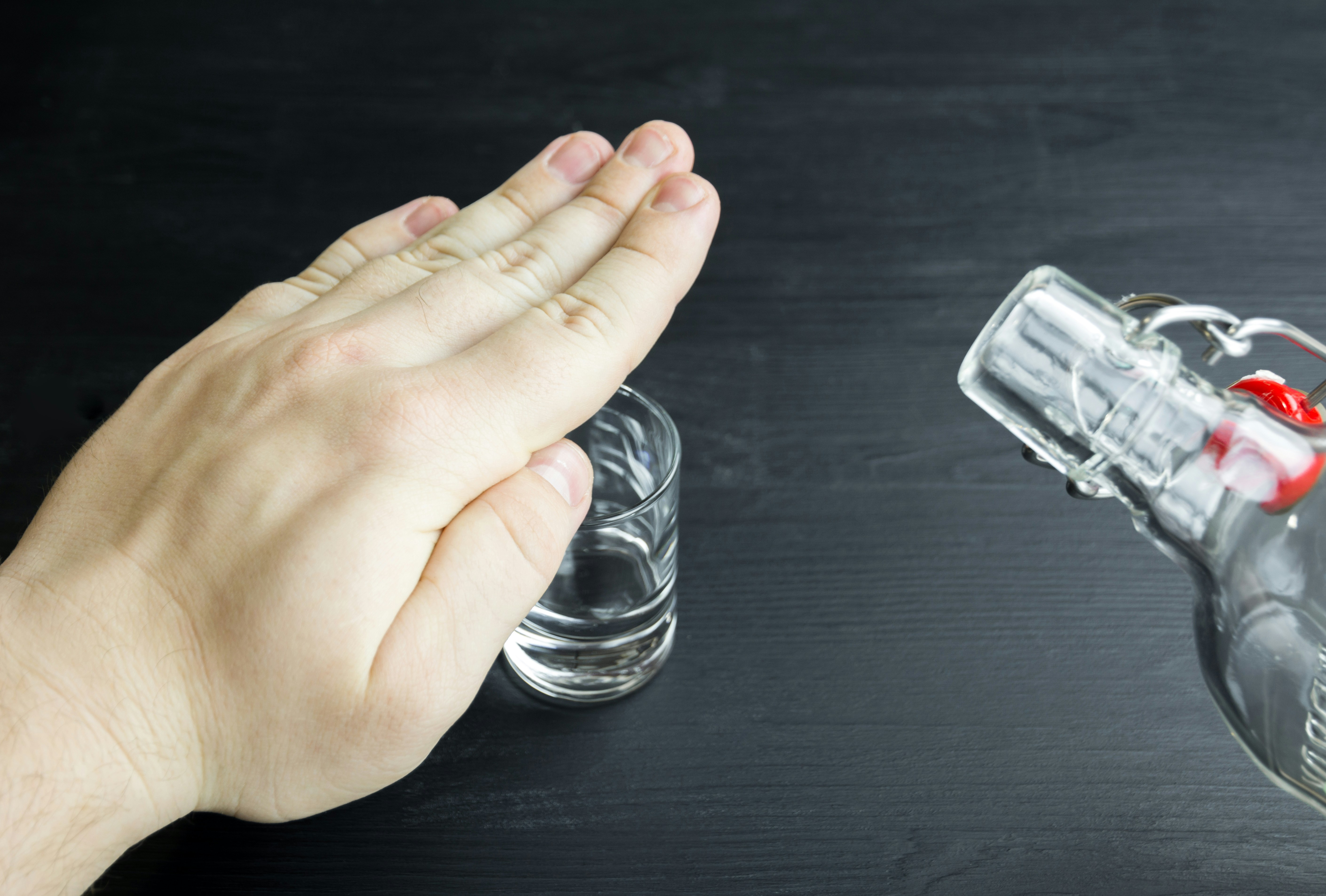

Whether it’s part of a challenge like Dry January or Sober October, or simply a personal decision to "hit the reset button," taking a break from alcohol is one of the most impactful things you can do for your health.
While many see it as a temporary trend, the physiological and psychological shifts that occur within just four weeks are profound. If you are curious about what actually happens inside your body when you put down the glass, here is the breakdown of the transformation.
1. Your Skin Regains Its Glow
Alcohol is a natural diuretic, meaning it actively dehydrates your body. This dehydration often manifests on your face as dull, gray, or sallow skin. Furthermore, alcohol can trigger inflammation and hormonal shifts that lead to breakouts.
When you abstain for a month:
Rehydration: Your skin’s elasticity begins to restore itself.
Clarity: Redness around the eyes and face typically diminishes.
Vitality: The "gray" tint often associated with heavy drinking fades, replaced by a more rejuvenated, refreshed complexion.
2. You Finally Get "Real" Sleep
It is a common myth that a "nightcap" helps you sleep. While alcohol might help you fall asleep faster, it acts as a major disruptor to your REM (Rapid Eye Movement) sleep—the stage responsible for cognitive restoration.
Without alcohol, your sleep patterns return to their natural rhythm. You’ll likely find that while it might take a few nights to adjust, the sleep you do get is deeper and more restorative, leading to significantly higher energy levels and better moods during the day.
3. Cognitive Function and Memory Sharpen
Alcohol impacts the cerebral cortex (responsible for reasoning) and the cerebellum (responsible for coordination). Over time, consistent drinking can lead to "brain fog."
By the end of a month of abstinence:
Memory: Short-term memory and recall begin to improve.
Problem-Solving: Your ability to focus and think rationally increases.
Structure: Experts note that several months of abstinence can even allow structural brain changes to partially correct themselves.
4. Your Vital Organs Begin to Repair
The liver is the primary site for alcohol metabolism, and heavy consumption can lead to fatty liver or even cirrhosis. However, the body is remarkably resilient.
Cardiovascular Health: Research shows that for many, cardiovascular health can return to its baseline in as little as one month after eliminating alcohol.
Nutrient Absorption: Alcohol interferes with how your body absorbs vitamins. Stopping allows your gastrointestinal system to start effectively processing nutrients again.
Reduced Cancer Risk: The body breaks alcohol down into acetaldehyde, a known carcinogen. By removing this toxin, you are immediately lowering the stress on your cellular health and reducing long-term cancer risks.
5. Your Mental Health Stabilizes
Because alcohol is a depressant, it interferes with neurotransmitters like serotonin, which regulates your mood. Many people experience "hangxiety"—that spike in anxiety and low mood the day after drinking.
A month of sobriety allows your brain chemistry to balance out. This often results in a noticeable reduction in baseline anxiety and a more stable, positive emotional state.
A Note on the "Adjustment Period"
It is important to be transparent: the first week isn't always easy. Your body may go through a period of withdrawal as it adjusts to the absence of alcohol. Common "post-acute" symptoms include:
Irritability and mood swings.
Trouble concentrating.
Temporary fatigue.
Important Note: For those with a long-term or heavy relationship with alcohol, withdrawal can be serious. If you experience severe symptoms, it is vital to seek supervision from a medical professional or a treatment facility to ensure you quit safely.
The Bottom Line
A month without alcohol isn't just about willpower; it’s about giving your biological systems the space they need to heal. From your heart to your skin, the "reset" is real, measurable, and often life-changing.
Comment Section
Disclaimer
Please note that the information in this blog is for general guidance only and may not always be up to date or accurate. We recommend double-checking details directly with local cities, businesses, or official sources before making any plans or acting on the information. We are not a news outlet, and while we do our best to make sure information is accurate, sometimes we make mistakes. It is always best to verify with official sources. The inclusion of any business, individual, event, or service on the Burlington 365 platform does not constitute an endorsement, recommendation, or guarantee of its quality, performance, or reliability. Users are solely responsible for conducting their own research and due diligence before engaging with any third-party businesses or services listed on the platform.